
For those playing online slots, the matter of fair play is always there https://gates-ofolympus.com/. With a game as famous as Gates of Olympus, UK players demand more than just the developer’s word. They depend on hard proof, provided through strict regulation and independent checks. This article looks at the certifications and audits that confirm every spin on Gates of Olympus is random and fair. That verification is what lets players savor the game’s features with confidence.
How Players Can Verify Fairness Themselves
UK players can take a few easy steps to check the fairness of Gates of Olympus. First, always pick a casino licensed by the UKGC. This is the most crucial step. Then, on the casino’s website or the game information page, find logos or links to certification reports. These are usually from GLI, BMM, or eCOGRA. Pragmatic Play’s own website also publishes transparency reports and licensing details. A trustworthy casino will make this information convenient to find.
User Duty and Educated Selections
Certifications create the structure for fair play, but players finish the picture by making educated choices. It’s prudent to verify the licensing of both the casino and the game provider. Recognizing that Gates of Olympus is a high-volatility game with certified random outcomes aids set realistic expectations. Using features like deposit limits and session timers, which all UKGC-licensed sites must make available, allows players appreciate the game’s entertainment within a secure and fair framework.
The Significance of the Listed RTP
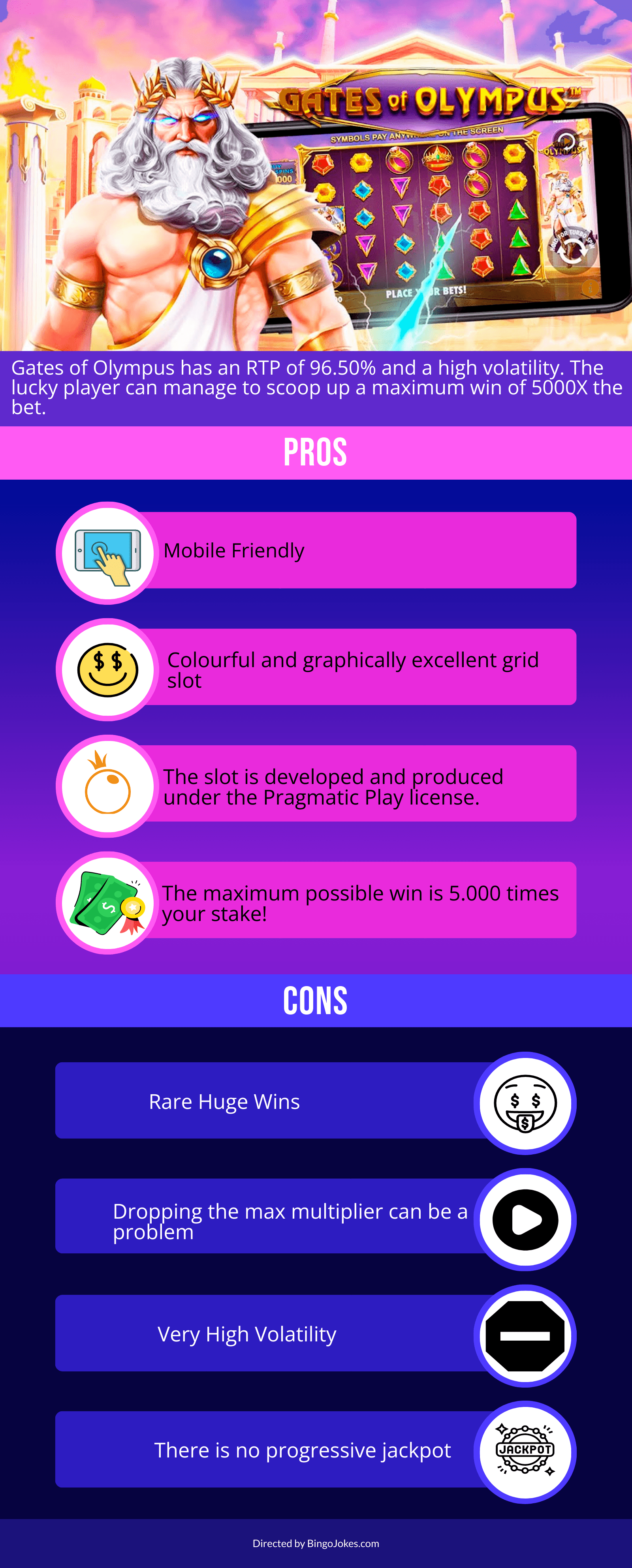
Gates of Olympus has a declared RTP of 96.5%. This is better than average for an online slot. That number isn’t a guess. It’s the verified result from the audit. The testing agency validates that, over a very long period and millions of spins, the game is mathematically set to return this percentage of wagered money to players. Keep in mind, this is a long-term statistical average. It is not a commitment for any single playing session.
What’s Actually Examined in an Audit?
The audit process is thorough and exhaustive. Inspectors don’t just test a few rounds. They carry out a deep technical analysis. This involves examining the game’s source code for any problems, performing millions of simulated spins to confirm the theoretical RTP matches up in practice, and putting the RNG through a series of statistical randomness tests. For Gates of Olympus, auditors would particularly assess the probability of triggering the free spins round and how the multiplier values are distributed.
- RNG randomization and statistical distribution analysis.
- Validation of theoretical Return to Player (RTP) percentage.
- Game rules and rule verification for all features.
- Security assessment to guard against external tampering.
- Compliance with specific jurisdictional requirements.
Common Misconceptions Regarding Slot Fairness
Certain common beliefs about slots need clearing up. A certified game like Gates of Olympus is never “due” for a win after a losing streak. Every spin is an independent event. Certification also doesn’t make a game less volatile. The audit simply validates the volatility is working as the designer intended. Also, the bonus buy feature, where available, is part of the certified mathematical model. The cost is set to be proportionate to the chance of triggering the bonus.
Key Certifications for Gates of Olympus
Certifications are granted for a provider’s overall systems, but they include every game in their collection, including Gates of Olympus. For UK players, the most relevant certificates are those from jurisdictions that match with UKGC standards. Pragmatic Play holds certifications from several authorities, indicating a clear focus on compliance. When you spot a seal of approval from a lab like GLI, it means the core mechanics of Gates of Olympus have been validated for fairness.
Who Audits Pragmatic Play’s Games?
Pragmatic Play, the company behind Gates of Olympus, subjects its entire game library through regular audits. These are conducted by established independent testing agencies, which are themselves accredited by regulators like the UKGC. The principal auditors for Pragmatic Play are Gaming Laboratories International (GLI) and BMM Testlabs. These companies execute thorough technical reviews. They examine the game’s source code, its RNG, and its mathematical model to check everything meets international standards.
The Persistent Character of Adherence and Auditing
Fair gaming certification is not a box you mark once. To keep their UKGC and other licences, Pragmatic Play’s games and systems are tested again on a consistent schedule. This constant scrutiny ensures any updates or changes to the game software can’t compromise its fairness. It also guarantees that casinos offering Gates of Olympus must use the official, certified version of the game. This provides ongoing security for players.
Understanding the Importance of Fair Gaming
Fair gaming isn’t simply a great idea; it’s the foundation of any credible casino. It means the game systems, particularly the Random Number Generator (RNG), operate without any prejudice or interference. In Gates of Olympus, this assures that the cascading wins, the multiplier gods, and the bonus round trigger solely by randomness. These validations safeguard players. They confirm the promoted Return to Player (RTP) is correct and that the game’s risk corresponds to its statistical design.
The Role of the UK Gambling Commission
The UK Gambling Commission (UKGC) is the principal body for player safeguarding in Britain. Any casino that wants to provide Gates of Olympus to UK players is required to have a current UKGC license. This licence carries a stringent rule: all games must come from software providers that have undergone rigorous checks. The UKGC does not examine each slot directly. Alternatively, it compels operators to restrict themselves to games from providers whose RNG and systems have been validated by recognized independent testers.
Why RNG Certification is Indispensable
Every slot’s fairness relies wholly on its RNG. This algorithm produces thousands of random number sequences every instant, determining which symbols appear on the reels. An RNG certification is evidence that an independent lab has tested this algorithm. The test establishes the output is mathematically random and unable to predict. For a game like Gates of Olympus, with its tumbling reels that can produce consecutive wins, the RNG needs to handle these sequences accurately. The audit makes sure it does.